The key points
- Most practices lose new patients at the phone and the booking step, not in search results.
- You can't improve acquisition until you know which source each new patient came from.
- Reviews and a complete Google Business Profile drive local visibility and trust together.
- Lapsed patients are often the fastest source of booked appointments.
- Ads and SEO multiply whatever happens after the click, good or bad.
Where do dental practices lose new patients?
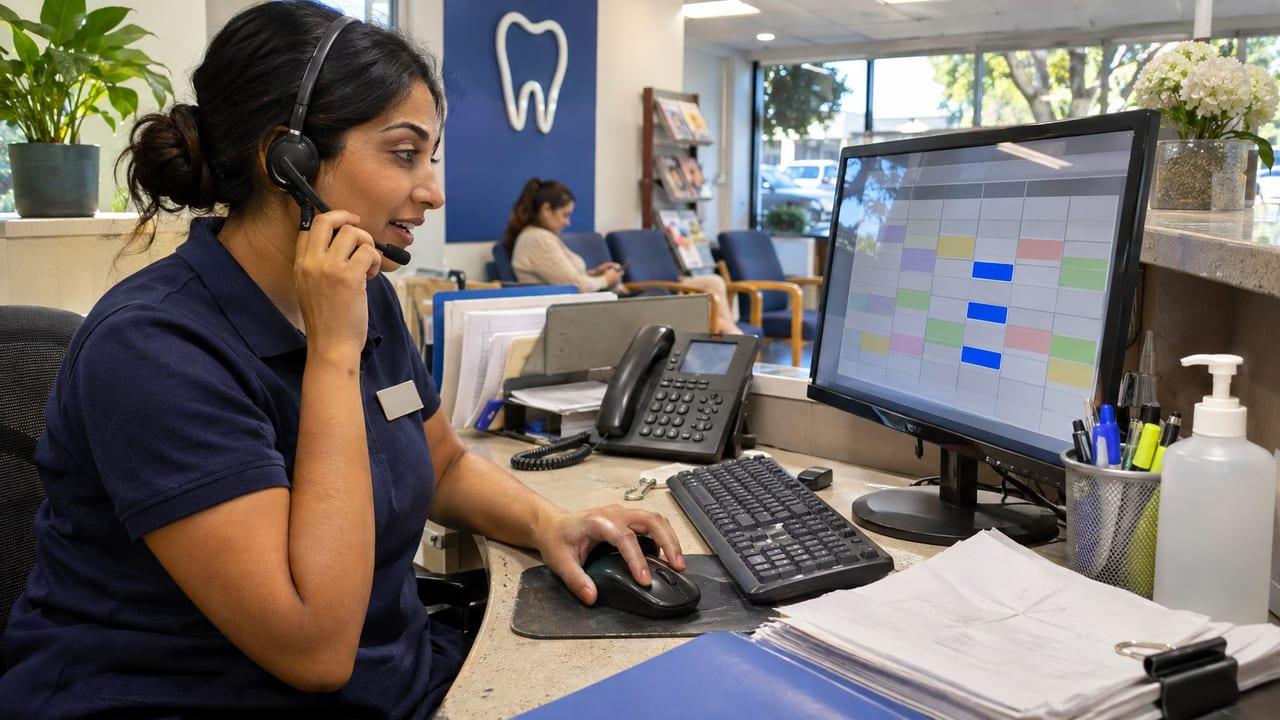
Mostly between the moment someone decides to contact you and the moment they're booked. Unanswered calls, slow replies to web forms, and booking that only works during office hours each quietly send patients to the next practice on the list.
Try this for one week. Every time the phone rings and nobody picks up, make a tally mark. Every web form or WhatsApp message, note how long it took to reply. Most practice owners who do this are surprised, because the front desk is busiest exactly when new patients call: first thing in the morning, lunchtime, and just after work. That's also when existing patients are checking in and paying.
This is why we put the boring fixes first. More traffic doesn't help a practice that converts half its callers. It just makes the leak more expensive.
How do you find out where new patients come from?
Ask every new patient, record the answer in the same field in your practice management system, and back it up with call tracking and website analytics. Patient memory is imperfect, but combined with tracking data it shows you which channels actually produce attended appointments.
Keep the options short and specific: Google search, Google Maps, a friend or family member, another dentist, insurance or plan directory, social media, walked past, ad. "Internet" isn't a useful answer. Then once a month count attended new-patient appointments by source and by treatment. That one report tells you more than any marketing dashboard, because it ends at the chair rather than at the click.
What should you fix first to get more dental patients?
Fix the steps that lose patients you've already paid for or earned: call answering, reply speed, booking and your Google Business Profile. They cost little compared with ads, and every later channel performs better once they work.
- Calls: a clear plan for who answers during peak times, and a callback within minutes for every missed call.
- Online booking: at least for new-patient exams and emergencies, so someone at 10 p.m. can commit.
- Speed of reply: forms, WhatsApp and social messages answered the same working hour where possible.
- Google Business Profile: correct hours, holiday hours, services, photos of the real practice and team, and a booking link.
- Clarity on cost: which insurance, plans or finance options you accept, written plainly on the website.
Do reviews really bring in new dental patients?
Yes, in two ways. Google says prominence, which includes review count and rating, is one of the factors in local ranking, and patients read reviews before choosing someone to put their hands in their mouth.
The practical answer is a habit, not a campaign. Ask at the end of good appointments, send a short link by text or WhatsApp the same day, and reply to every review, including the critical ones, without disclosing anything about the patient's treatment. That last point matters: confirming someone is a patient, or discussing their care, in a public reply can create a privacy problem, and in the US the HIPAA rules apply to it. Never buy reviews, offer rewards for positive ones, or write them yourself. Google's policies prohibit fake engagement, and regulators in several countries treat fake reviews as deceptive advertising.
Should you reactivate lapsed patients before chasing new ones?
Usually, yes. Patients who haven't been back in eighteen months already know you, so a well-timed reminder often books faster than any new-patient campaign.
Run a report of patients overdue for a recall, then contact them in batches the front desk can handle: a text or WhatsApp message first, then a call for anyone who doesn't respond. Mention the specific reason to come back (a check-up, a hygiene appointment, unfinished treatment) and make booking one tap. Respect consent and contact preferences, and in India note that the Digital Personal Data Protection Act 2023 and its 2025 rules are tightening how consent for messages must be collected.
When should a dental practice invest in SEO and ads?
Once the phones, booking and reviews are working, and you know which treatments you want more of. SEO builds visibility for the services and area you serve over months; ads buy visibility for specific treatments now. Both work far better when the website has a clear page for each treatment.
A sensible order for most general practices: get the Google Business Profile complete and active, publish a genuinely useful page for each main treatment, then test search ads for one or two high-value treatments while organic visibility builds. Specialist practices (orthodontics, implants, sleep dentistry) should also look at referral relationships with other dentists and physicians, which rarely show up in marketing plans but often fill the diary.
A 90-day plan to get more dental patients
Week 1: measure
Add a required 'How did you hear about us?' field for new patients and count missed calls and reply times for a full week.
Weeks 2-3: stop the leaks
Set up missed-call callbacks, cover peak phone times, add online booking for new-patient exams and emergencies, and publish accepted insurance or finance options.
Weeks 3-4: fix your Google presence
Complete and verify the Google Business Profile, correct hours and services, add real photos and start a same-day review request habit.
Month 2: reactivate
Contact overdue recall patients in manageable batches and track how many book.
Month 2: improve treatment pages
Give each main treatment its own page in patients' words, with who provides it, what to expect, cost guidance and a booking route.
Month 3: add paid demand
Test search ads for one or two high-value treatments, tracking calls and bookings, and compare attended appointments by source each month.
New patient acquisition check
- Do you record a source for every new patient in your practice system?
- Is every missed call returned within minutes during opening hours?
- Can a new patient book or request an appointment online at night?
- Is your Google Business Profile complete, with current hours and a booking link?
- Do you ask for reviews the same day and reply without disclosing care details?
- Have you contacted patients overdue for recall in the last quarter?
Sources
Rules and guidance this answer relies on. Policies change, so check the current version before acting on it.